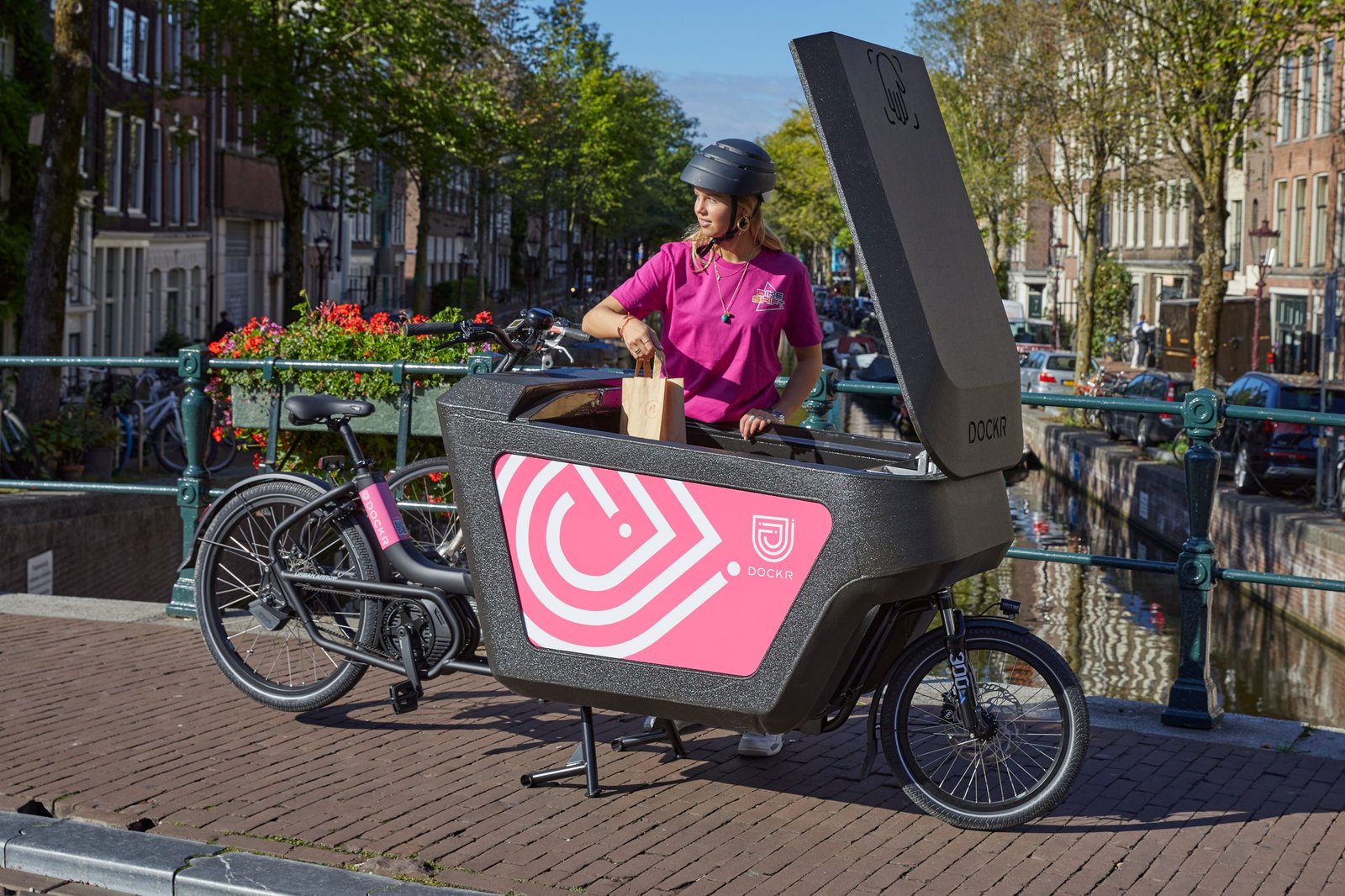
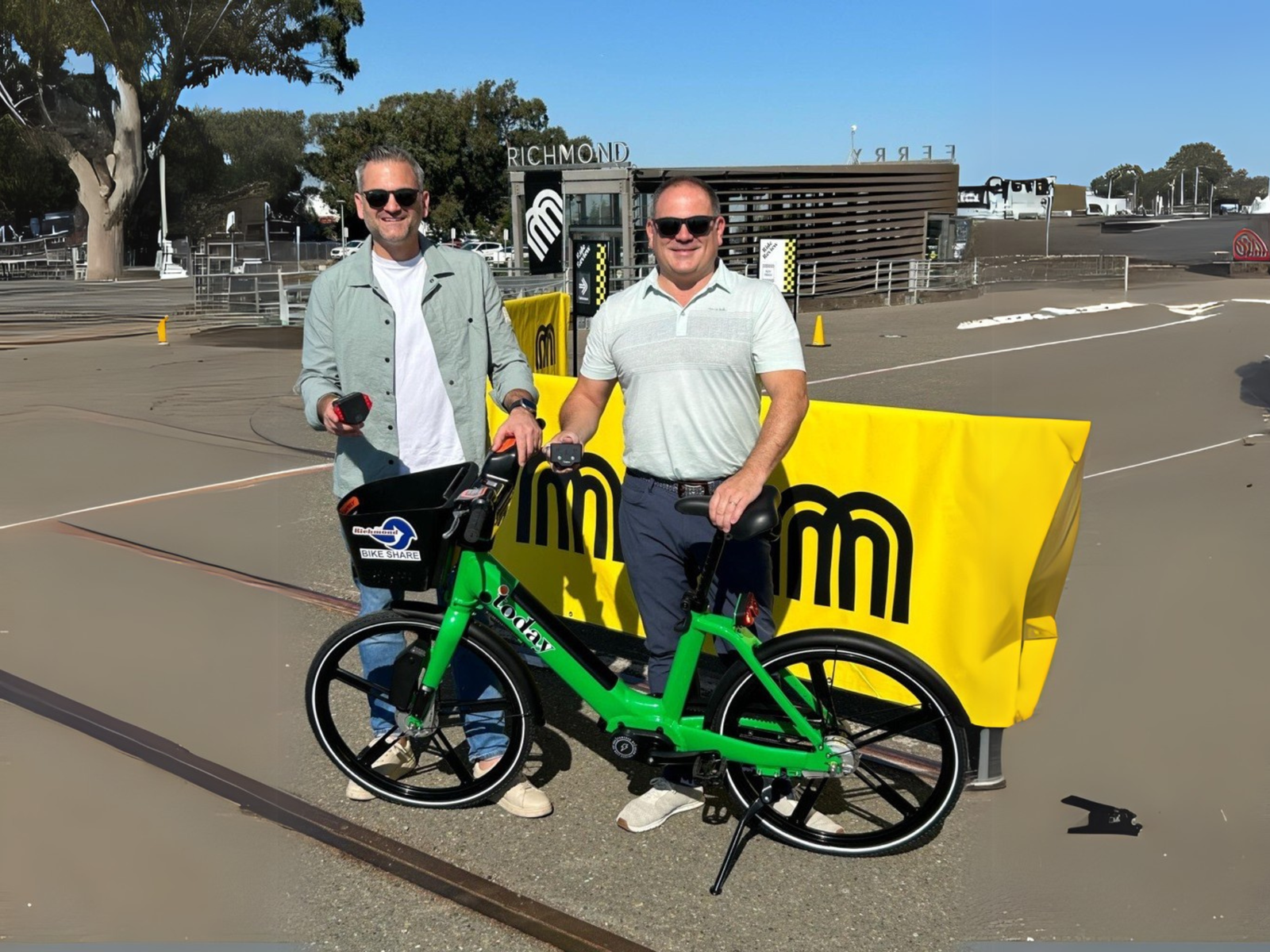
As cities and campuses evolve, so does the way we get around. Gone are the days of relying solely on traditional public transport or having a personal car for every need. Mobility as a Service (MaaS) is changing the game, especially in universities and municipalities, where flexibility, sustainability, and convenience are increasingly top priorities.
So, what does the future hold?
At Today, we’re all about making transportation smarter. For universities, the key is not just moving students from point A to point B, but creating a seamless, flexible experience that works for everyone – students, faculty, and staff. Whether it’s hopping on an e-bike to get across campus or having a shuttle on-demand, MaaS offers a level of personalization that traditional systems can’t.
But it’s not just about convenience. It’s about building communities and reducing congestion. Universities are bursting at the seams with students, faculty, and visitors constantly on the move. By adopting MaaS, campuses can reduce traffic, improve air quality, and create safer, more efficient environments. And municipalities? Well, they get the added bonus of scaling this solution for the broader community, integrating various modes of transport into a single, easy-to-use platform.
What does that look like in practice?
For universities, it might mean:
- Streamlined campus-wide mobility, from shuttle buses to bike-sharing systems
- Real-time tracking for transportation options, making it easier to plan daily commutes
- Incentives for sustainable transportation, from electric cars to shared bikes
For municipalities, it’s about connecting citizens to public transit, bike lanes, car-sharing, and even electric scooters in one platform. It’s efficient, easy, and, most importantly, sustainable.
Creatively Funding the Future of Mobility
While the benefits are clear, the question often comes down to funding. Thankfully, there are creative ways to make MaaS work for universities without draining their budgets.
- Subsidy from Student Fees – Many universities already charge student fees for various services. A small addition could be used to support a MaaS system, providing students with affordable, sustainable transportation options without raising the cost of tuition.
- Semesterly Subscriptions for Students – Instead of students shelling out for a $200 Walmart bike, a semesterly subscription to a shared e-bike or shuttle service can be an affordable alternative. This model not only lowers the upfront cost for students but creates a predictable revenue stream for the university’s transportation network.
- Corporate Sponsorships – Universities are constantly looking for ways to enhance their relationships with local businesses and alumni. Sponsorships from companies looking to build stronger ties with students and the academic community can help fund MaaS initiatives. In exchange, companies get exposure on campus and build goodwill with future leaders.
Why is it critical for the future?
MaaS helps solve some of the biggest challenges facing urban planners today: congestion, air pollution, and the inefficiency of traditional transit models. As we look to the future, mobility needs to be smarter, more accessible, and environmentally responsible. By embracing MaaS, universities and municipalities are leading the charge.
Are you looking for solutions on your campus? Reach out to us. Today can help you with writing a case study about the feasibility and opportunities of incorporating micromobility onto your campus.